- The most expensive Dholera mistakes are avoidable with basic due diligence.
- The biggest is buying cheap land far from the ~22.5 sq km Activation Area, where most real infrastructure sits, and assuming the whole ~920 sq km region is developed.
- Others: trusting a developer's self-reported ratings, skipping the Gujarat RERA check on gujrera.gujarat.gov.in, paying a cash token before due diligence, and treating a marketing render as if it were the finished city.
- Every one of these is fixed by verifying RERA, title (7/12), N.A. status and a written price, and by planning for a long holding period rather than a quick flip.
Most people who lose money in Dholera do not lose it to some clever, unheard-of scam. They lose it to ordinary, avoidable mistakes: buying in the wrong place, skipping a check, trusting a number that was never in writing. This guide lists the nine that come up most often and, more usefully, the exact fix for each. It is neutral information: AskDholera does not sell plots. If you want the fuller picture first, read whether Dholera is safe to invest in and the honest 2026 status update.
The short version
Dholera is a real, funded, actively-built project, but it is still early. The roughly 22.5 sq km Activation Area holds most of today's real infrastructure, out of a planned region of about 920 sq km that builds in phases toward 2040. Almost every mistake below traces back to one of two errors: treating the whole region as if it were already the developed part, or skipping a document check that would have caught the problem. Fix those two habits and you avoid most of the pain.
The 9 mistakes, and how to avoid each
1. Buying cheap land far from the Activation Area
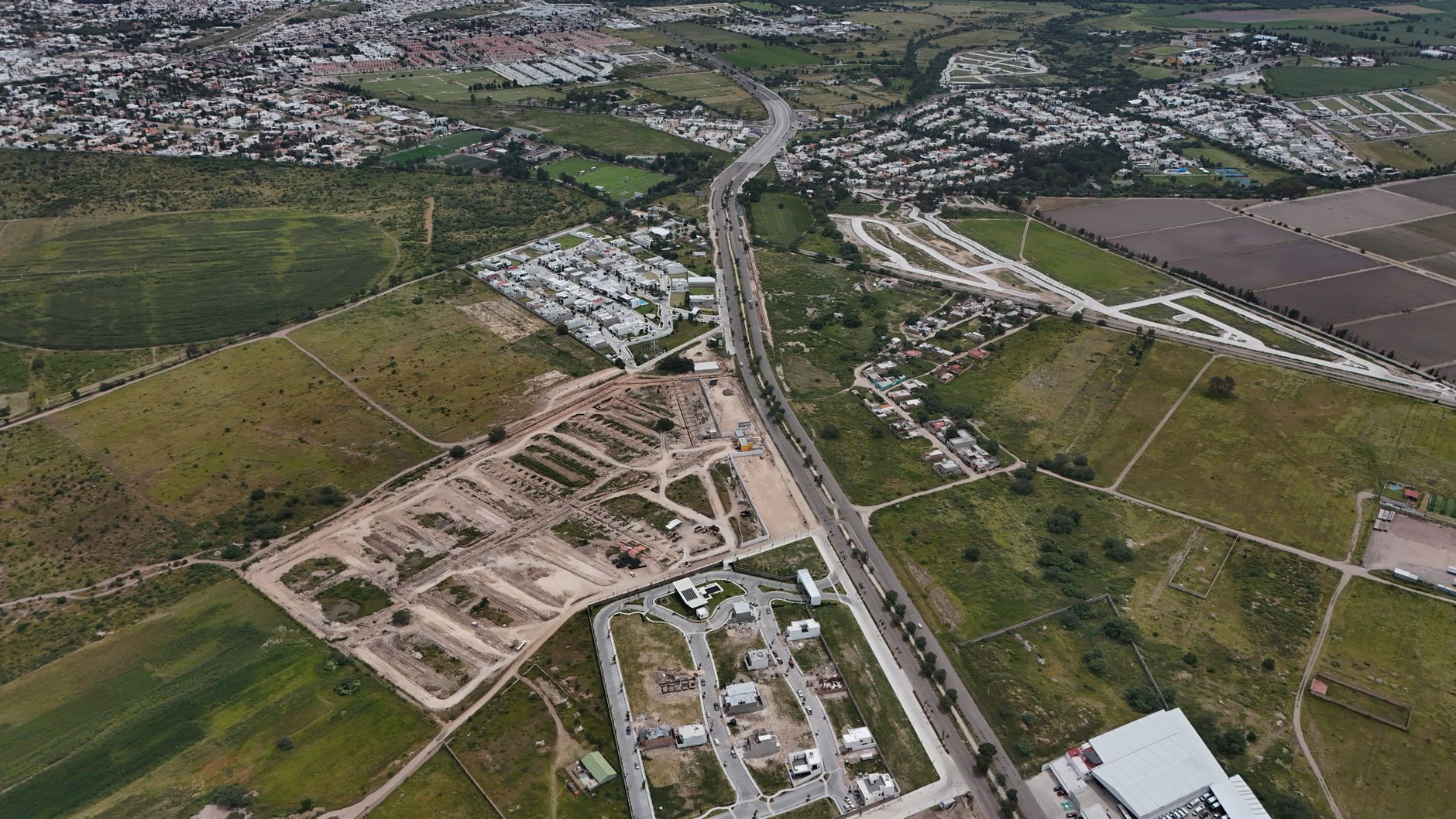
This is the single most common and most costly error. A plot advertised as being "in Dholera SIR" can sit next to live infrastructure or many kilometres and many years away from it. The Activation Area is a small fraction of the whole region, so an unusually low price often reflects distance from anything built. Fix: confirm the exact Town Planning scheme and survey number, and favour plots near confirmed infrastructure rather than a big regional map.
The chart makes the scale plain. The developed part is a sliver of the whole, which is exactly why "in Dholera" tells you far less than "in this TP scheme, this survey number, this far from live infrastructure."
2. Trusting a developer's self-reported ratings
A "number one in Dholera" line or a five-star badge on a developer's own website is marketing, not an independent rating. Paid "top developer" lists have the same problem. Fix: check the actual Google review count and read the reviews yourself, and compare names on a neutral source such as our top Dholera developers guide, which takes no money to rank anyone.
3. Skipping the RERA check
Many buyers accept that a developer "has RERA" without checking the specific project. A developer having other registered projects is not the same as your plot being registered. Fix: ask for the exact project's Gujarat RERA number and verify it yourself on the official portal at gujrera.gujarat.gov.in, confirming the promoter and layout match what you are buying. Our step-by-step buying guide shows the lookup in full.
4. Paying a cash token before due diligence
Urgency is a sales tool. A rushed cash token, paid before you have seen documents, removes your leverage at exactly the wrong moment. Fix: never pay before RERA, title and N.A. are verified, keep a paper trail through banking channels, and treat pressure to pay first as a reason to slow down, not speed up.
5. Believing the render is the reality
A glossy image of a finished 2035 skyline is a plan, not the plot you are buying. Pricing a plot as if the airport is already open and the fab already running builds tomorrow's hopes into today's price. Fix: ask what physically exists at the exact location today, and read the honest current status of Dholera for what is built versus still under construction.
6. Reading "in Dholera SIR" as "developed and connected"
The region spans roughly 920 sq km planned across Town Planning schemes toward 2040. Much of it is still agricultural land, land banking and future TP schemes. Fix: treat "in the SIR" as a starting fact, then confirm the specific zone, the TP scheme status and the real distance to working roads, power and water before you value the plot.
7. Not confirming title and the 7/12 extract
Skipping the land record is how disputes and hidden loans reach the buyer. Fix: pull the 7/12 extract for the exact survey number from AnyROR Gujarat, obtain an Encumbrance Certificate, and consider a lawyer's independent title-search opinion. You are buying a specific survey number, so verify that specific survey number.
8. Ignoring N.A. status
For a residential or commercial plot, the land needs Non-Agricultural (N.A.) conversion for that survey number to be legally usable for non-farm purposes. Buyers often assume it is handled. Fix: ask to see the N.A. order and cross-check it against the 7/12 extract. Land shown only as being in the SIR, with no N.A. proof, is not yet proven usable for what you intend.
9. Expecting a quick flip instead of a long horizon
Published guidance is consistent that Dholera suits patient buyers who can hold for years while the city develops in phases, not those chasing short-term gains. Buying with borrowed money you need back soon is a mismatch of horizon. Fix: size your commitment to what you can hold comfortably, budget for price, Jantri and stamp-duty movement over time, and treat it as a long-horizon, government-backed play.
Every mistake, and its one-line fix
The nine mistakes in a single view. Keep this next to any plot you are seriously considering.
| Mistake | The fix |
|---|---|
| Buying cheap land far from the Activation Area | Confirm the exact TP scheme and survey number; favour proximity to confirmed infrastructure |
| Trusting self-reported or paid ratings | Read real Google reviews; compare on a neutral, unpaid source |
| Skipping the RERA check | Verify the exact project's number yourself on gujrera.gujarat.gov.in |
| Paying a cash token before due diligence | Never pay before RERA, title and N.A. are verified; keep a banking paper trail |
| Believing the render is reality | Ask what exists on the ground today at the exact location |
| Reading 'in Dholera SIR' as developed | Confirm the zone, TP scheme status and real distance to working infrastructure |
| Not confirming title and 7/12 | Pull the 7/12 extract and Encumbrance Certificate; consider a lawyer's title search |
| Ignoring N.A. status | See the N.A. order and cross-check it against the 7/12 for the survey number |
| Expecting a quick flip | Plan for a long holding period; size the commitment to what you can hold |
Frequently asked questions
Frequently asked questions
What is the most common mistake when buying in Dholera?
Buying unusually cheap land far from the roughly 22.5 sq km Activation Area, and assuming the whole roughly 920 sq km region is already developed. Most real infrastructure sits in and near the Activation Area, so confirm the exact TP scheme, survey number and real distance to working infrastructure before you value a plot.
How do I avoid fraud when buying a Dholera plot?
Verify rather than trust. Check the exact project's Gujarat RERA number on gujrera.gujarat.gov.in, pull the 7/12 extract and Encumbrance Certificate, confirm N.A. status for the survey number, get the price in writing, and never pay a cash token before due diligence is complete.
Is the price on a low-cost Dholera plot too good to be true?
Not always, but an unusually low price often reflects distance from developed areas or a documentation gap. Rather than assume, confirm the TP scheme, proximity to infrastructure, RERA, title and N.A. A clean, well-located, registered plot rarely sells far below the market for no reason.
Can I trust a developer's five-star rating?
A rating a developer publishes about itself is not independent. Check the actual Google review count and read the reviews, and compare names on a neutral source that takes no money to rank anyone. Self-reported badges and 'number one in Dholera' lines are marketing.
How long should I plan to hold a Dholera plot?
Published guidance frames Dholera as a long-horizon investment better suited to buyers who can hold for many years while the city develops in phases, rather than those seeking short-term returns. Size your commitment to what you can hold comfortably.
Do I really need to check N.A. status myself?
Yes. For a residential or commercial plot, N.A. conversion for the exact survey number is what makes the land legally usable for non-farm purposes. Ask to see the N.A. order and cross-check it against the 7/12 extract rather than assuming it is handled.