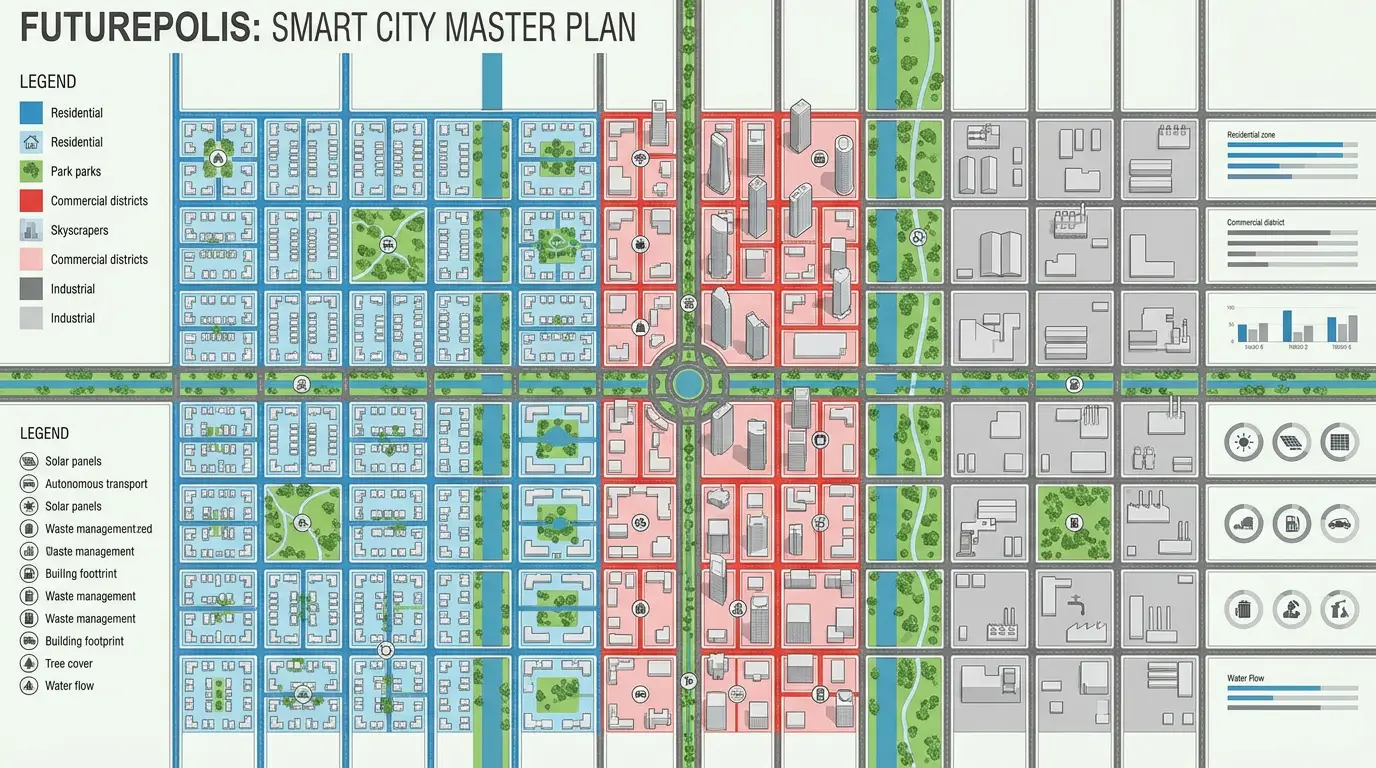
There is no single "Dholera plot price". Plots are usually quoted per square yard, and the rate depends on the zone, the TP scheme and its development stage, land use, approvals and how close the plot sits to core infrastructure. Any range you see, including here, is illustrative and moves over time. For a real decision, get a current written price for the specific plot from a RERA-registered source and do independent due diligence.
- Plots are commonly quoted per square yard
- Zone, TP scheme and land use drive the base rate
- Delivered infrastructure moves prices more than announcements
- All ranges are illustrative, never a guaranteed rate
Read this first
If you searched for a Dholera plot price hoping for one clean number, here is the honest answer: it does not exist. Dholera SIR is a large region split into zones at very different stages of development, so two plots a few kilometres apart can be priced very differently and both be fair. This guide explains the machinery behind the price so you can read any quote critically, instead of chasing a single figure that changes month to month.
AskDholera does not sell plots and takes no money to promote anyone, so we will not hand you a hype number. We will explain how the number is built.
How price-per-unit works
Dholera plots are almost always quoted per square yard. That is the unit to anchor on. Your headline plot price is roughly the per-square-yard rate multiplied by the plot area. So a rate of, say, "X per square yard" on a 200 square yard plot means a base of X times 200, before other costs.
Two things follow from this. First, always confirm which unit a seller is quoting, since square yard, square foot and square metre give very different-looking numbers for the same land. Second, the headline is not the final outgo. Budget for registration and stamp duty, and check whether development charges, plot-development or membership fees, and taxes are included or added on top. Ask for the all-in figure in writing.
Zones and TP schemes
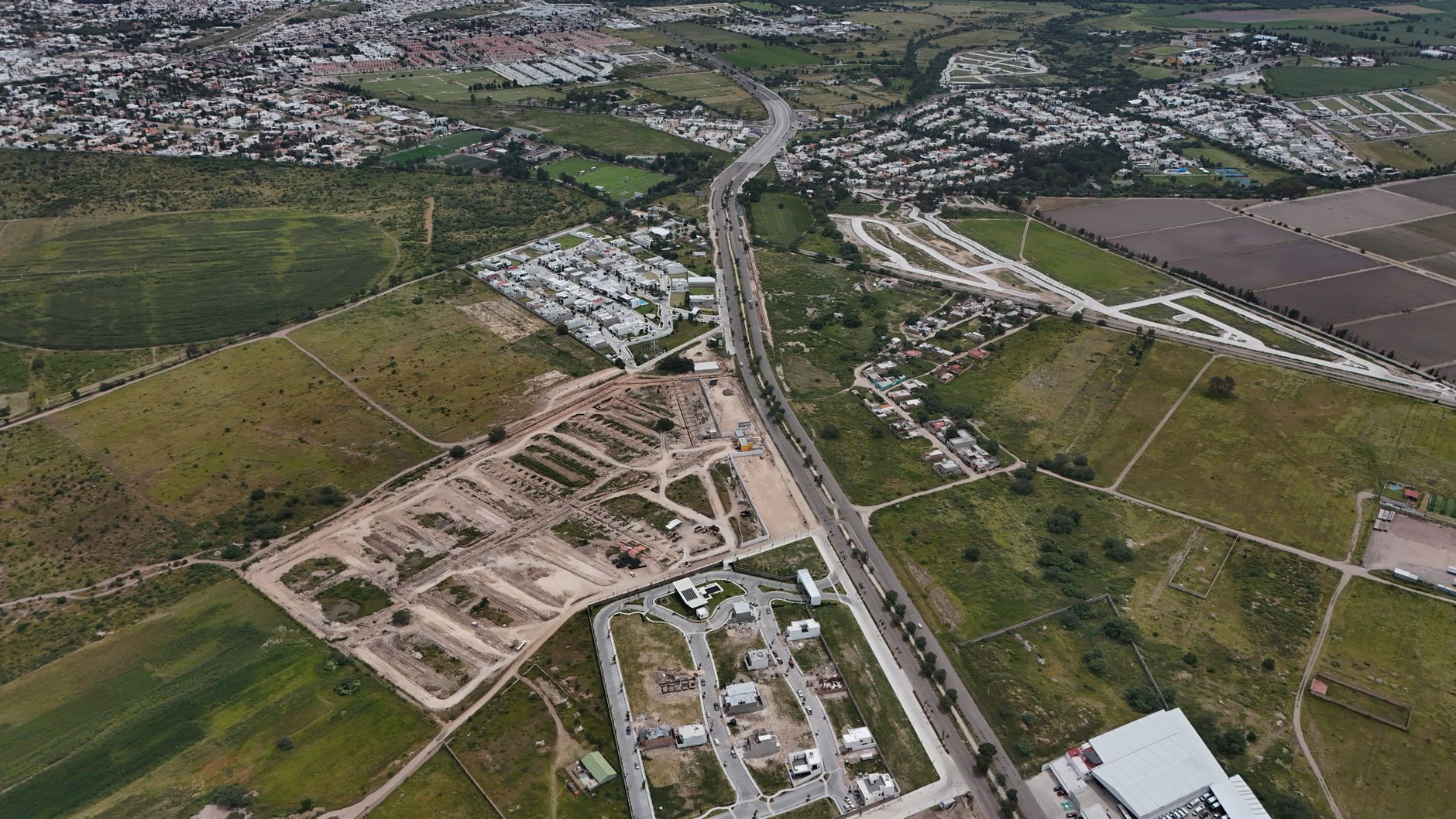
Dholera SIR is organised into Town Planning (TP) schemes, commonly referred to as TP1 through TP6, plus a core Activation Area. Each scheme is at a different stage of planning, approval and physical development, and that stage is one of the biggest reasons prices differ across the region.
The Activation Area
The Activation Area is reported to span around 22.5 square km within TP2 and is the most developed part of Dholera SIR, where core trunk infrastructure such as wide roads, water supply, underground power and utility ducts has been built. Because it is the most "ready" land, it typically carries the highest rates.
Airport and core-adjacent schemes
Schemes closer to the Dholera International Airport and to core infrastructure attract attention for their location, which is reflected in pricing. The Tata semiconductor fab sits within TP2, another reason that zone draws demand.
Outer schemes
Outer or earlier-stage schemes are generally quoted at lower rates, reflecting that development there is less advanced. Lower entry price and less-built surroundings tend to go together.
The takeaway: knowing which TP scheme a plot sits in, and how developed that scheme actually is on the ground, tells you more about the price than any single rate does.
What actually drives prices
Prices in Dholera respond to a handful of clear factors. When you compare two plots, compare them on these:
TP scheme and development stage
How planned, approved and physically built the surrounding scheme is. Delivered infrastructure tends to move prices more than announcements do.
Land use and zoning
Residential, commercial and industrial plots are priced differently. Commercial land in prime corridors is generally quoted higher than residential.
Proximity to core infrastructure
Nearness to the expressway interchange, the airport corridor and the central business district. Access is what buyers and businesses pay for.
Approval and RERA status
Whether the project is RERA-registered with clear title and non-agricultural (N.A.) status for the exact survey number. Cleaner paperwork supports firmer pricing and a safer purchase.
Demand and timing
Broad interest in the region, and the point in the development cycle when you buy. Sentiment moves with milestones like the expressway opening.
Illustrative ranges, not a price list
Publicly reported figures for 2026 show just how wide the spread is. Reported residential rates run from a few hundred rupees per square yard in outer zones to well over ten thousand rupees per square yard in the most developed Activation Area, with commercial plots in prime corridors quoted higher still. We deliberately do not publish a precise "current price" here, because those numbers move, vary by source, and are quoted differently by different sellers.
So treat every number in this section, and anywhere else, as illustrative. It is useful for understanding the shape of the market, the gap between outer land and core land, not as a rate you should expect to pay or receive. The only price that matters for a decision is a current, written quote for the specific plot.
Estimate your own scenario
Rather than trust one headline figure, model it yourself. Our plot price calculator lets you plug in a plot size and a per-square-yard rate to see the base cost of a scenario, so you can compare options on the same basis. Use it as a thinking tool, with a rate you have actually been quoted, not as a valuation.
Open the Dholera plot price calculator →
Before you pay
Whatever the price, the due diligence is the same, and it protects you far more than a good rate does. Verify the project's Gujarat RERA registration on the state portal. Confirm clear title and N.A. status for the exact survey number, and ask to see the documents. Get the all-in price and payment schedule in writing. And never let anyone rush you into paying before your checks are done. For a full walkthrough of vetting who you buy from, see our neutral guide to Dholera developers.
A last note that matters: appreciation is an expectation, not a promise. Dholera's infrastructure story is real, but no plot's future price is guaranteed. Buy on verified facts and your own diligence, and treat any projected return with healthy caution.
Frequently asked questions
How are Dholera plot prices calculated?
Plots are usually quoted per square yard, so the base price is the per-square-yard rate times the plot area, plus registration, stamp duty and any development or membership charges. The rate itself depends on zone, TP scheme, land use, approvals and infrastructure access.
How much does a plot cost in Dholera?
There is no single price. Reported 2026 residential figures range widely, from a few hundred rupees per square yard in outer zones to well over ten thousand in the Activation Area, with commercial quoted higher. Treat these as illustrative and verify a current written price for the specific plot.
What drives prices up in Dholera?
The TP scheme and its development stage, land use and zoning, proximity to the expressway, airport and central business district, approval and RERA status, and overall demand. Delivered infrastructure moves prices more than announcements.
Are prices guaranteed to rise?
No. Land can appreciate with infrastructure and demand, but no rise is guaranteed. Any projected return is an expectation, not a promise. Always do independent due diligence.