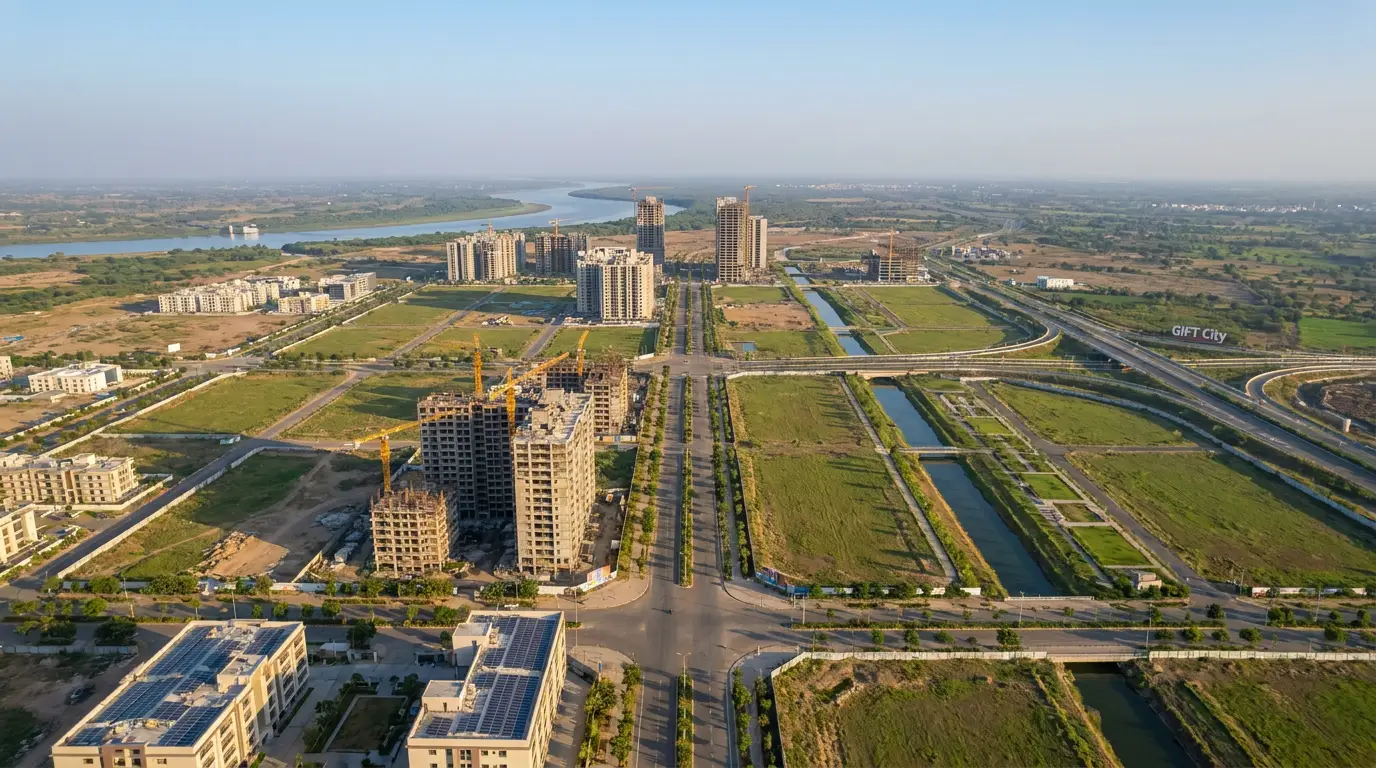
Buying a plot in Dholera comes down to disciplined due diligence, then a clean registration. Verify the project's Gujarat RERA number yourself, confirm clear title and Non-Agricultural (N.A.) status for the exact survey number, review documents, book with a written agreement, then pay stamp duty and register at the Sub-Registrar office.
- Verify RERA on the official GujRERA portal, not just on trust
- Confirm title, 7/12 extract and N.A. order for the survey number
- Get pricing in writing; register with correct stamp duty
Before you start
A plot purchase in Dholera is a legal transaction, not just a booking. The good news is the process is well established. The key is to verify each fact yourself rather than take it on trust, and to keep everything in writing. This guide walks the full journey, from first checks to the day the land record shows your name.
If you are still learning the basics of the region first, read what Dholera SIR is, and browse the neutral developers guide before you shortlist anyone.
The step-by-step process
Here is the sequence most buyers follow, drawn from published buying-process guides for Dholera such as Gujarat Estates and Mirrikh Infratech.
Step 1. Shortlist and pre-check
Pick a project, then ask for its Gujarat RERA registration number and the survey numbers. Confirm the plot sits inside the intended area and, ideally, within a sanctioned Town Planning scheme.
Step 2. Due diligence
Verify RERA on the official portal, pull the 7/12 extract and Encumbrance Certificate, and confirm N.A. status for the exact survey number. Do this before paying anything.
Step 3. Booking
Once satisfied, block the plot with a token or booking amount and sign a booking or buyer agreement that states plot cost, payment schedule and possession terms.
Step 4. Sale agreement
A sale agreement is executed between buyer and seller, capturing the full terms, price and timeline.
Step 5. Stamp duty and registration
Pay the applicable stamp duty and registration charges, then register the sale deed at the Sub-Registrar office with both parties present for biometric verification.
Step 6. Post-registration
Complete mutation so the land record updates to your name, collect your registered deed, and verify boundary markings on the ground.
RERA verification, done right
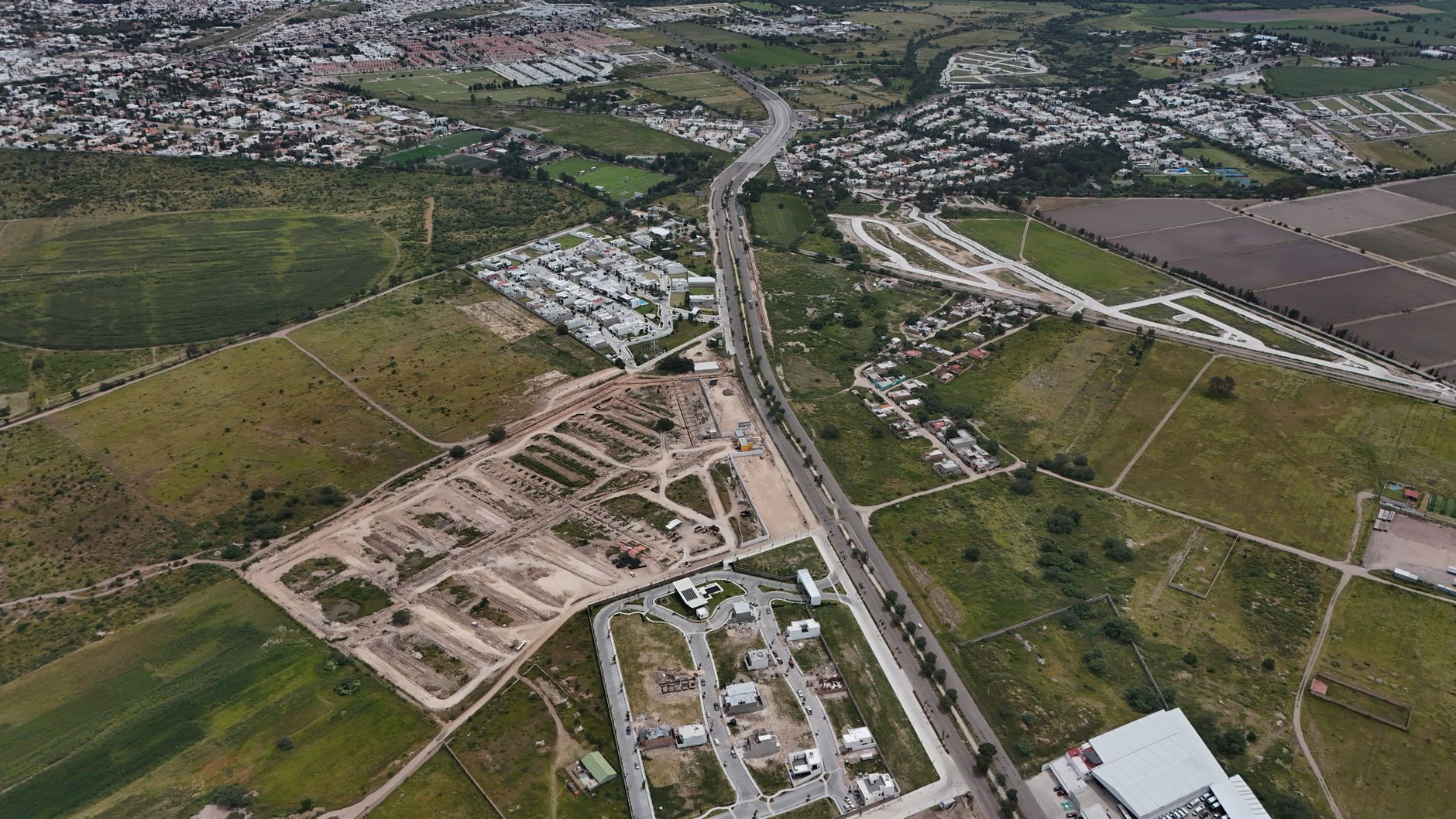
RERA is your first and strongest filter. Ask the developer for the specific project's Gujarat RERA registration number, then verify it yourself on the official GujRERA portal. A developer having other registered projects is not the same as your plot being registered, so match the number to the exact project and layout.
RERA registration also adds accountability. Under RERA rules, a defined share of buyer funds is meant to be held in a dedicated project account, which is one reason buying from registered projects is the safer path, per published investor guidance such as 7 Oak.
Title and N.A. verification
Two checks protect you from the most common problems.
Clear title
Confirm the seller has clear, marketable title to the exact survey number, with no pending loans or disputes. Pull the 7/12 extract (village land record) from AnyROR Gujarat and obtain an Encumbrance Certificate. A lawyer's title-search opinion is worth the cost on a land purchase.
Non-Agricultural (N.A.) status
N.A. stands for Non-Agricultural. For a residential or commercial plot, confirm the land carries N.A. conversion for that survey number so it can legally be used for non-farm purposes. Ask to see the N.A. order and cross-check it against the land record, per verification guidance.
Documents you need
Keep this checklist handy. Ask for copies early and verify originals before registration.
From the seller or developer
Gujarat RERA registration, 7/12 extract, N.A. order, approved layout plan, Encumbrance Certificate, and the chain of prior title documents.
From you as the buyer
PAN, Aadhaar and address proof, passport-size photos, and bank or payment records. NRIs typically add passport, OCI or visa proof and use proper banking channels.
For registration
The executed sale deed, stamp duty and registration fee receipts, and identity proofs for biometric verification at the Sub-Registrar office.
Stamp duty and registration
In Gujarat, reported stamp duty is around 4.9% of the assessed value for general buyers, made up of a base rate plus surcharge, with a concession for sole female buyers, plus a registration charge of about 1%, per ClearTax and other 2026 rate summaries. Sole female buyers are reported to receive a stamp-duty concession and, in some cases, a registration-fee waiver, so verify your specific case.
Duty is calculated on the government Jantri (guideline) rate or the transaction value, whichever is higher, and is assessed on land area for plots. You can compute and pay via the Gujarat Garvi portal. Because rates and Jantri values change, confirm the current figures before you register rather than relying on an old quote.
Want a quick estimate first? Use our plot price and cost calculator to ballpark stamp duty and total outlay before you visit the Sub-Registrar.

Smart-buyer tips
Verify, then trust
Do the RERA, title and N.A. checks with your own eyes and, ideally, a lawyer. Documents shown quickly are still worth reading slowly.
Get everything in writing
Price, payment schedule, plot dimensions and possession terms belong in the agreement, not in a conversation.
Never rush a payment
A credible seller will not pressure you to pay before due diligence. Take the time the transaction deserves.
Register at correct value
Register the sale deed at the correct value and pay full stamp duty. Under-declaring creates future legal and resale problems.
Finish the paperwork
Complete mutation so the land record reflects your name. The deal is not truly done until the record updates.
Next, compare who you might buy from in our neutral Dholera developers guide, or read whether Dholera is safe to invest in.
Frequently asked questions
How do I verify a Dholera plot is RERA registered?
Ask for the specific project's Gujarat RERA number, then verify it yourself on the official GujRERA portal. Match the number to the exact project and layout, since a developer's other registrations do not cover your plot.
What is N.A. status and why does it matter?
N.A. means Non-Agricultural. Confirming N.A. conversion for the exact survey number shows the land can legally be used for a residential or commercial plot. Ask to see the N.A. order and cross-check the 7/12 extract.
What is the stamp duty on a plot in Gujarat?
Reported stamp duty is around 4.9% of assessed value for general buyers, with a concession for sole female buyers, plus about 1% registration charge. It is calculated on the Jantri rate or transaction value, whichever is higher. Confirm current rates on the Garvi portal.
Can an NRI buy a plot in Dholera?
Reported guidance is that NRIs can buy non-agricultural property in Dholera using the same RERA, title and registration process, with proper documentation and banking channels. Confirm current rules with a qualified advisor.
What happens after registration?
Complete mutation so the village land record updates to your name, keep your registered deed safely, and verify the plot boundaries on the ground.